Pregnancy is a time of excitement, hope, and many changes in a woman’s body. One condition that often worries mothers but can be managed very well with proper care is high blood pressure during pregnancy. Many women feel perfectly fine and are surprised when their doctor mentions elevated blood pressure. This is why understanding it is so important.
Why does this matter?
High blood pressure in pregnancy is one of the leading causes of complications for both mother and baby worldwide. The good news is that early detection and regular antenatal care can significantly reduce risks and help most mothers have healthy pregnancies and safe births.
What is high blood pressure in pregnancy?
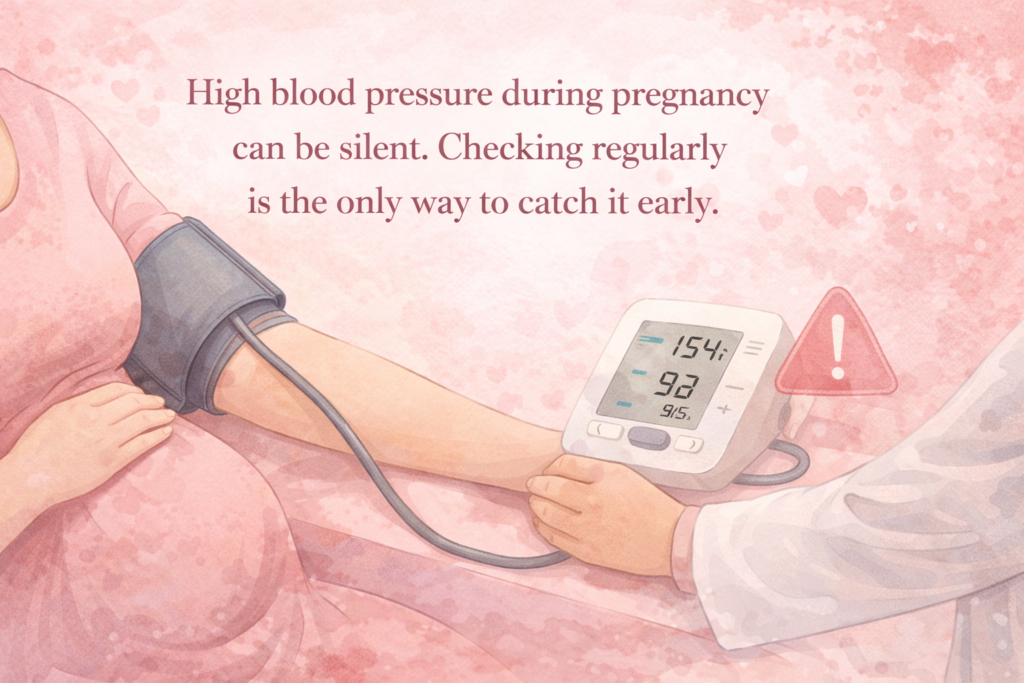
Blood pressure is the force with which blood pushes against the walls of blood vessels. During pregnancy, blood pressure is considered high when readings are 140/90 mmHg or higher on repeated measurements.
There are different types of high blood pressure seen in pregnancy:
Chronic hypertension – high blood pressure that existed before pregnancy or was diagnosed before 20 weeks.
Gestational hypertension – high blood pressure that develops after 20 weeks of pregnancy.
Preeclampsia – high blood pressure along with signs that organs such as the kidneys or liver are affected.
Preeclampsia with severe features – a more serious form requiring close monitoring or early delivery.
Your doctor determines the type based on timing, symptoms, and investigations.
Who is more likely to develop it?
Any pregnant woman can develop high blood pressure, but the risk is higher if you:
●Are pregnant for the first time
●Had high blood pressure in a previous pregnancy
●Have a family history of hypertension or preeclampsia
●Are overweight or obese
●Have diabetes, kidney disease, or autoimmune conditions
●Are carrying twins or multiples
●Having risk factors does not mean you will definitely develop the condition – it simply means you need closer monitoring.
What symptoms should mothers watch for?
One of the challenges is that high blood pressure can be silent. Many women feel completely normal. However, warning signs may include:
●Persistent headache
●Blurred vision or flashing lights
●Sudden swelling of face, hands, or feet
●Upper abdominal pain
●Reduced urine output
●Sudden weight gain due to fluid retention
If any of these occur, medical attention should be sought immediately.
How can high blood pressure affect pregnancy?
When blood pressure is uncontrolled, it can reduce blood flow to the placenta. This may lead to:
●Poor growth of the baby
●Low amniotic fluid
●Placental abruption
●Preterm birth
●Increased need for medical intervention
●For the mother, severe disease can affect the brain, liver, kidneys, and blood clotting system. This is why antenatal visits are not optional – they are lifesaving.
What can mothers do to protect themselves and their baby?
There is no single step that prevents all cases, but these measures make a real difference:
●Allow your blood pressure to be checked at every antenatal visit
●Reduce excess salt and processed foods,
● Excercise
●Stay hydrated and rest adequately
●Report warning symptoms early
●Avoid advice from non-medical sources about stopping any medication
Home blood pressure monitoring may be advised for some women.
How is it treated?
Treatment depends on severity and gestational age. It may include:
●Regular monitoring
●Lifestyle Adaptation
●Blood pressure – lowering medications safe in pregnancy when needed.
●Blood and urine tests
●Ultrasound monitoring of baby’s growth
●Planned timing of delivery when necessary
Delivery is sometimes the safest treatment, especially in severe preeclampsia – but this decision is made carefully, balancing maternal and fetal wellbeing.
As a Doctor, I want mothers to know this clearly:
Most women with high blood pressure in pregnancy go on to have healthy babies when the condition is detected early and managed properly. Fear and delay cause more harm than the condition itself.
Trust your body, attend your visits, and communicate openly with your healthcare provider.
Refrences1
Dr Umm Maryam
- World Health Organization – Recommendations on Antenatal Care
American College of Obstetricians and Gynecologists Practice Bulletin No. 222
National Institute for Health and Care Excellence-Hypertension in Pregnancy Guidelines. ↩︎




6 responses
77ZCasino is alright, simple and easy to use. No huge bells or whistles. If you are searching for something basic with a few entertaining slots, give 77zcasino a shot!
Yo, JL365 is really hitting different! I love how accessible it is. Give jl365 a go, you might find a new favorite site.
Win101 is where I unwind after a long day, pretty comfortable platform. So, why not give win101 a shot and see for yourself?
PHDream333? Not bad, bruh. Got some pretty cool slots and bonuses. Plus, the payouts are decent. Def worth checking out phdream333.
Sixgamedownload is where I get my fix. Easy to download and the games are pretty fun. Makes my commute a lot less boring. Try out sixgamedownload, you might find your next addiction.
23win1 is straight fire! Been playing for a while now and haven’t been disappointed. Good selection and fast payouts. Highly recommend 23win1 if you’re looking for a reliable place to play.